
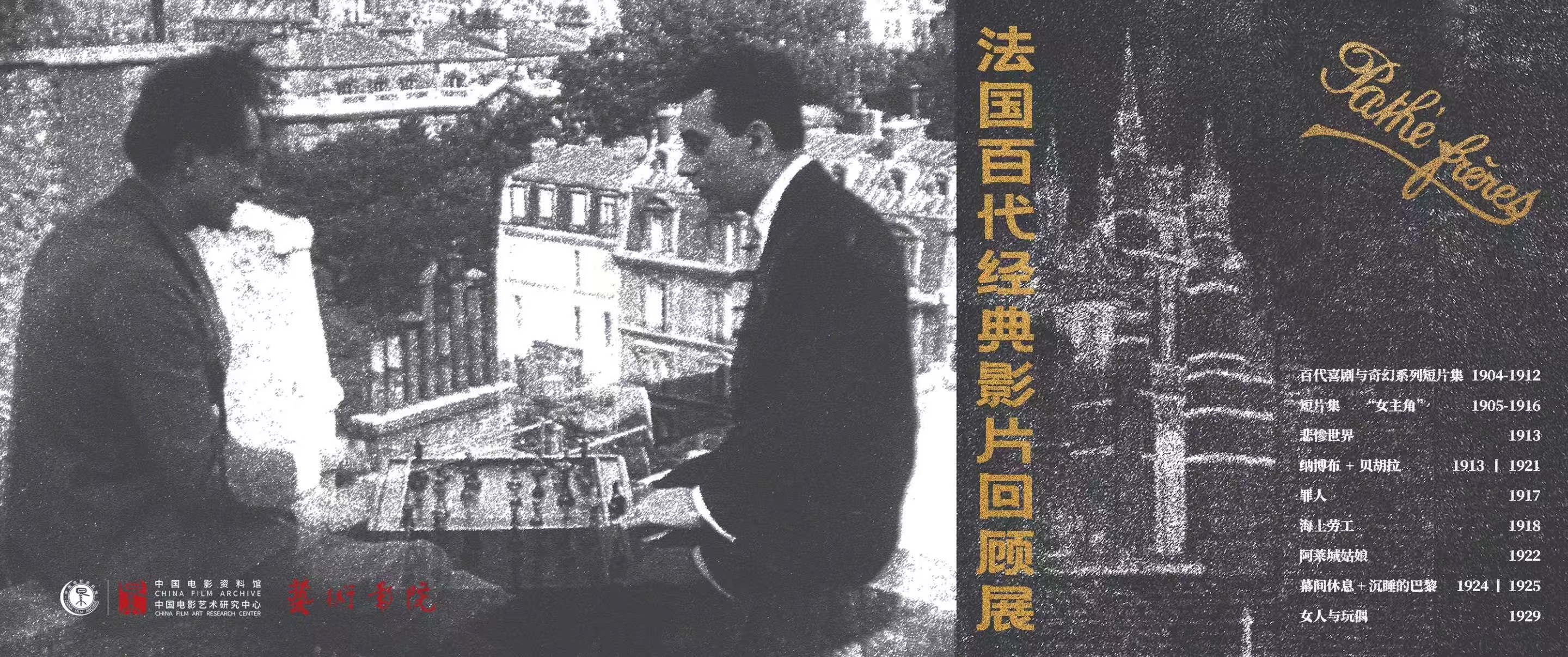
About the Retrospective
The Jérôme Seydoux-Pathé Foundation preserves the archives of Pathé from its founding in 1896 to the present day. Its film collection focuses on silent fiction films. We are delighted to share this reciprocal carte blanche with the China Film Archive. In Paris, audiences can see fifteen Chinese films made between 1922 and 1936 and restored by the China Film Archive. In Beijing and Suzhou, eleven programmes bring together 27 French short and feature films produced by Pathé between 1905 and 1929. This exchange builds strong cultural ties through the history and restoration of our film collections.
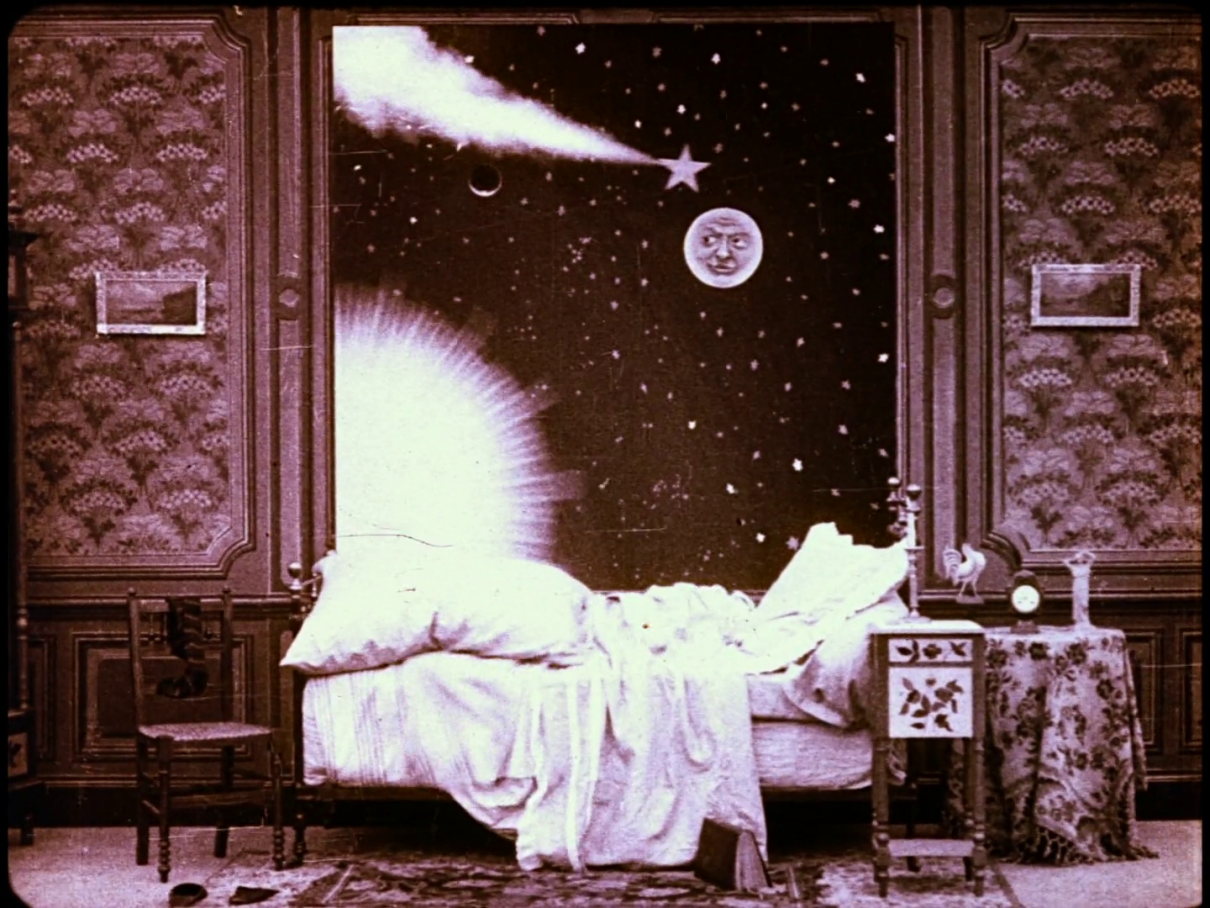
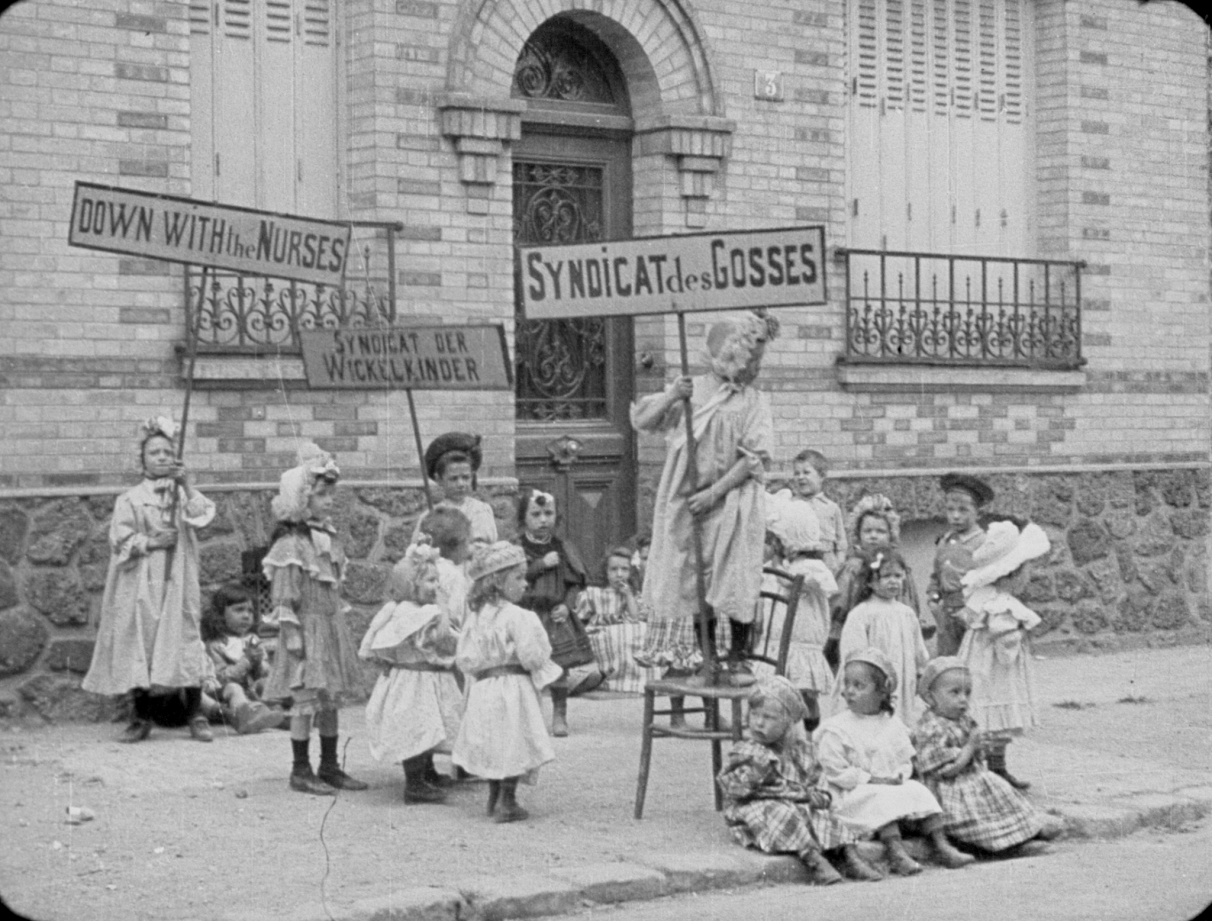
This selection showcases some of the most surprising, innovative and inspiring French films of the period. First, a programme of extravagant, wonderfully eccentric comic scenes and fantasy films from the early years of cinema (1904–1912) features Boireau’s surreal escapades, the irrepressible comedians Little Moritz and Rosalie, Max Linder’s mischievous antics, Gaston Velle’s poetic imagination, Georges Méliès’s dazzling special effects and the ingenuity of Émile Cohl, a pioneer of French animation. Another programme of short films made between 1905 and 1912 presents a cast of remarkable, resourceful women. Whether Sarah Bernhardt, Loïe Fuller, suffragettes or working-class women, they are defined by unwavering determination and formidable power. These new kinds of heroines emerged amid the industrial, social and cultural revolutions of the early twentieth century—and actively took part in them.
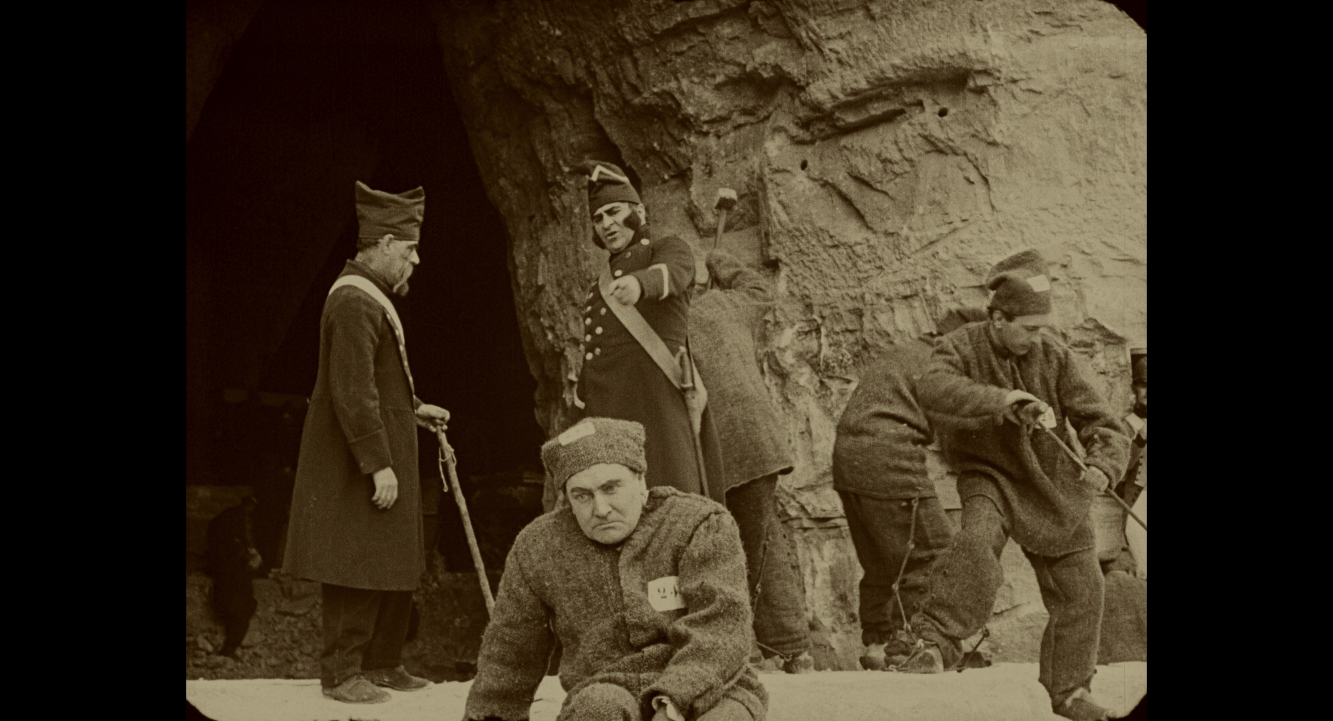
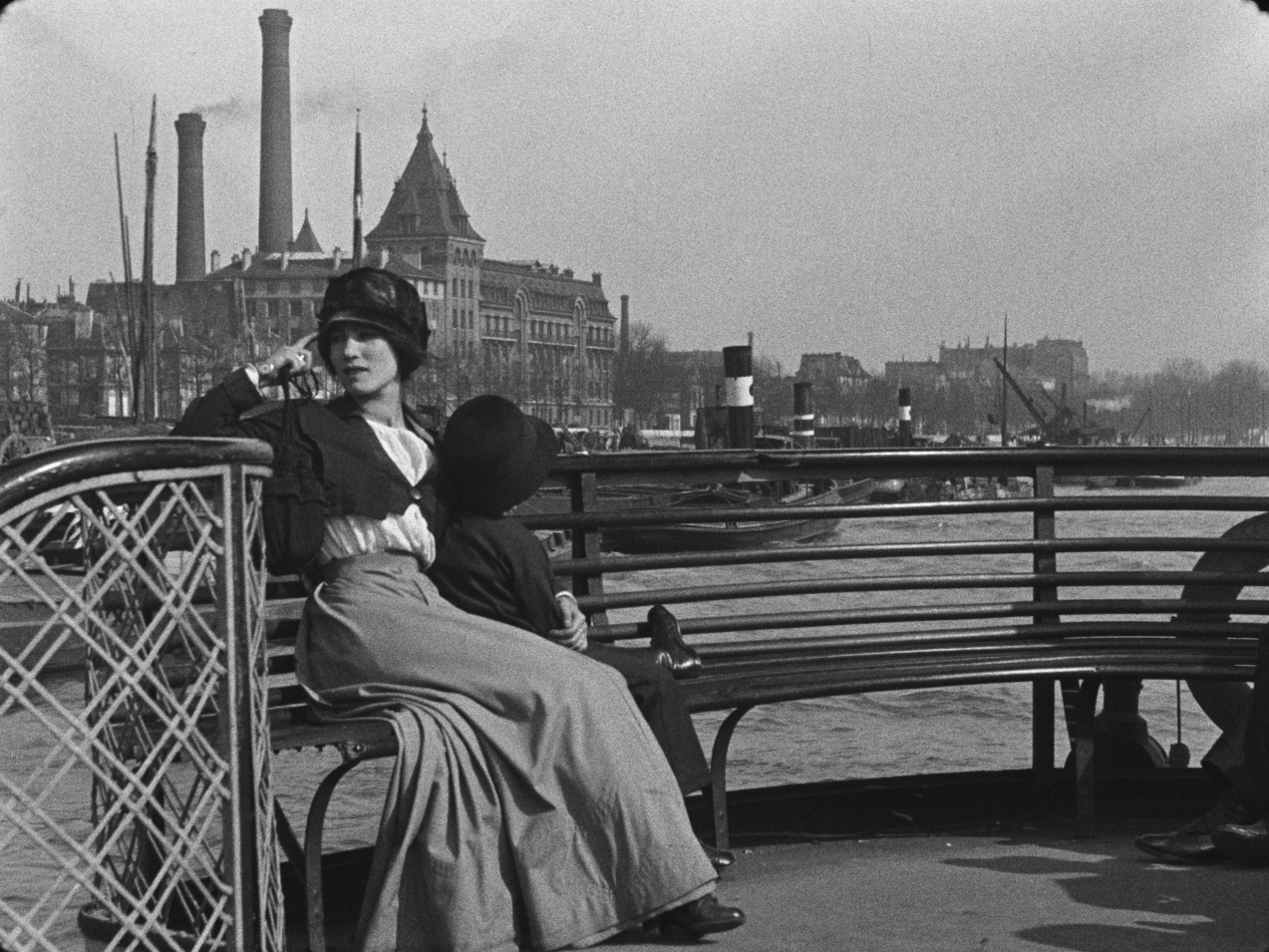
At the time, Pathé also produced many adaptations of great works of French literature. One of the most important directors was Albert Capellani, whose films show a keen sensitivity to human tragedy and social hardship. His best-known work is Les Misérables (1912), adapted from Victor Hugo’s critique of society. Through the fate of the convict Jean Valjean, the film explores human nature and denounces the plight of the poor. The novel’s political significance and popular appeal have inspired numerous film adaptations, and Capellani’s remains a landmark. In 1913, he also adapted Alphonse Daudet’s social drama Le Nabab, which contrasts two brothers and the rural and urban worlds they inhabit. Its varied settings and careful direction and editing reveal a fresh approach to cinematic storytelling.
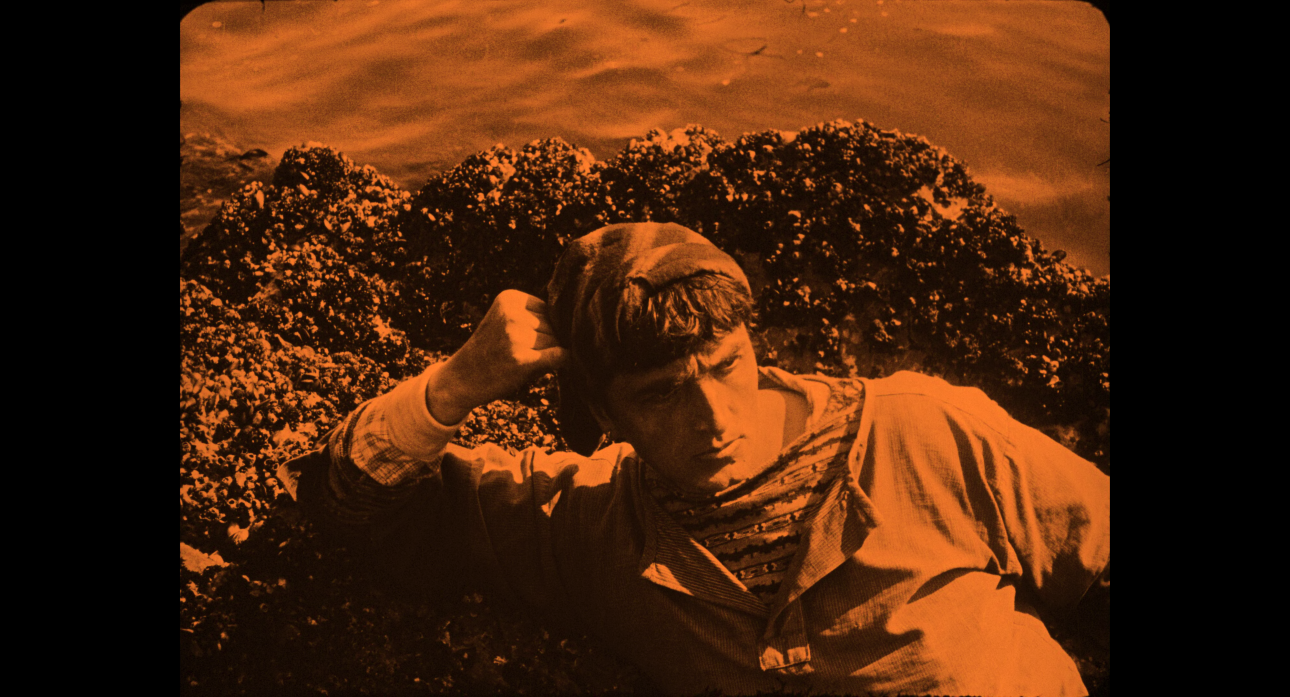
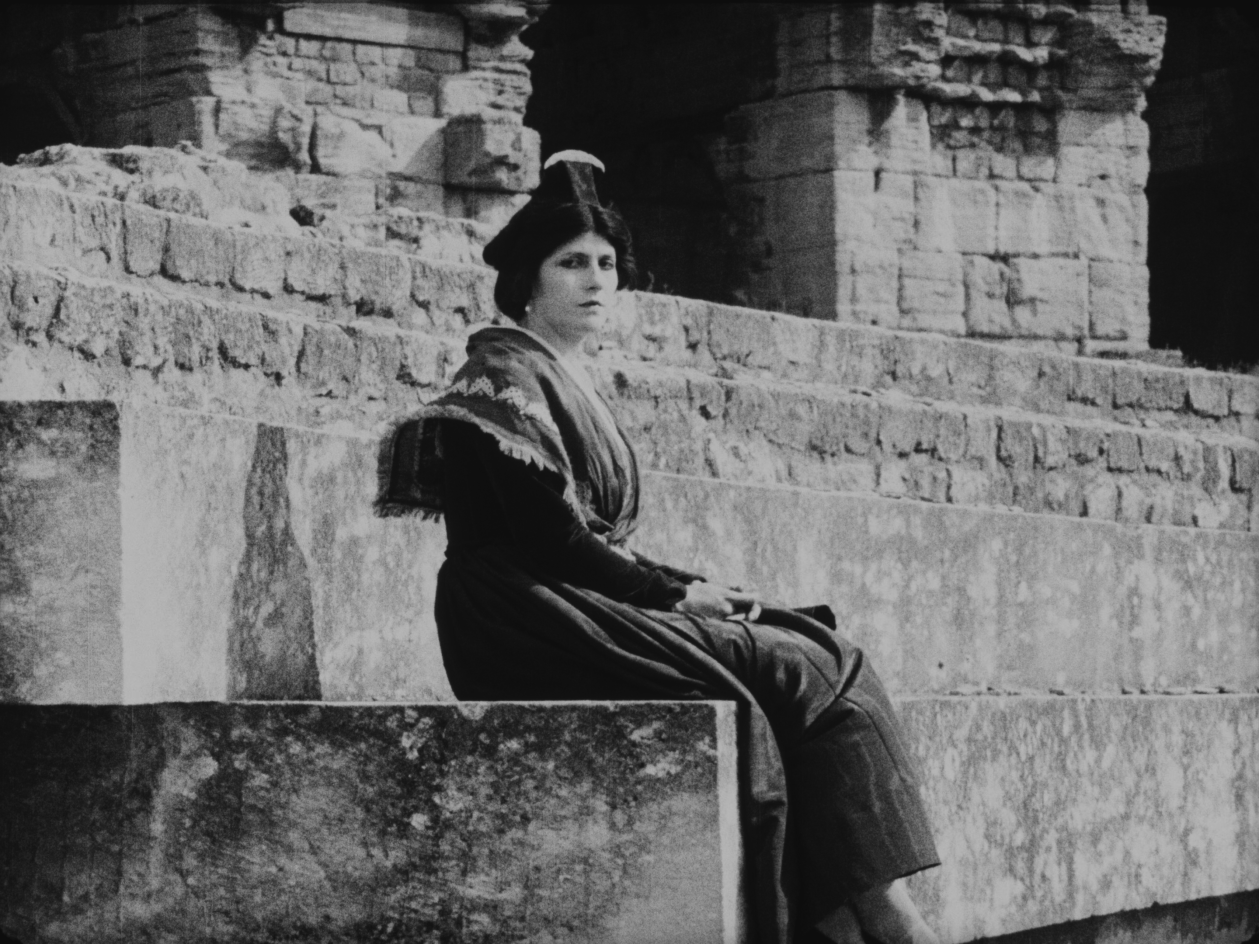
While Capellani’s direction emphasizes settings and realistic character portrayals, André Antoine pushes realism further through authentic locations and the use of non-professional actors. Primarily a theatre director, Antoine helped develop naturalism on stage before bringing it to the emerging art of cinema. For the Société Cinématographique des Auteurs et Gens de Lettres and Pathé, he adapted several literary works, highlighting their social and regional dimensions. Based on Victor Hugo’s novel of the same name, Les Travailleurs de la mer (1918) follows a solitary, dreamy fisherman who overcomes numerous obstacles to save a ship sabotaged by jealous sailors, then braves the dangers of the sea to win the woman he loves. Filmed on the coast of Brittany, it uses the seascapes to heighten the story’s realism and dramatic force. L’Arlésienne (1922), adapted from Alphonse Daudet, transports viewers to Provence and its traditions through a passionate love story. Finally, Le Coupable (1917), based on a work by François Coppée, explores moral responsibility, justice and social inequality. It reflects Antoine’s strong interest in human conflict and social forces—concerns closely linked to the naturalism he championed in theatre.
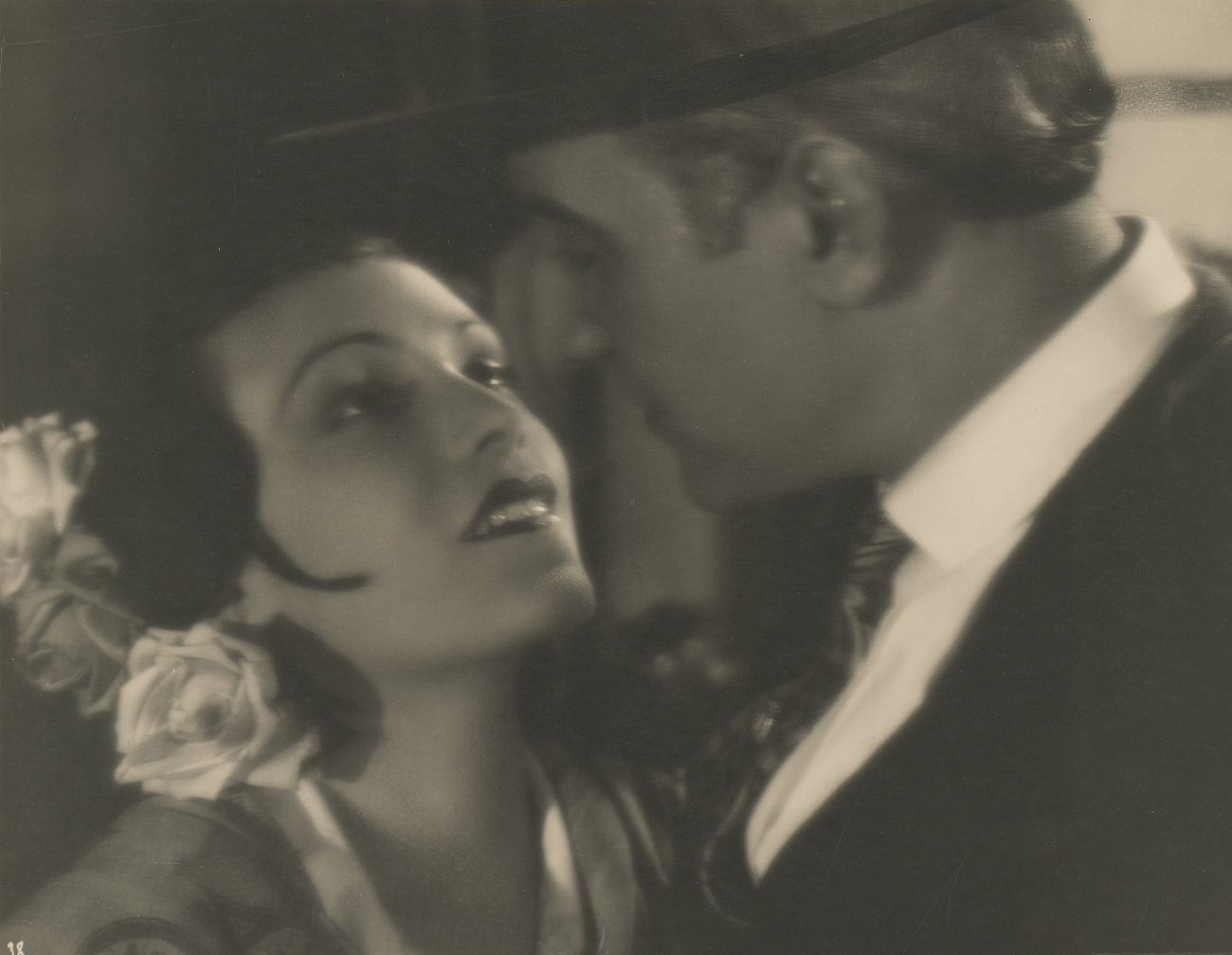
Known for adapting works by Honoré de Balzac and Pierre Loti, director Jacques de Baroncelli continued to explore human passion in his adaptation of Pierre Louÿs’s 1898 novel La Femme et le pantin. (Julien Duvivier would later make a version starring Brigitte Bardot in 1959.) It tells of the fascination and emotional enslavement between Concha Perez, a seductive and provocative young Spanish woman, and the wealthy Don Mateo Diaz, who is trapped by his own passion. The film is particularly striking in its treatment of sensuality and nudity.
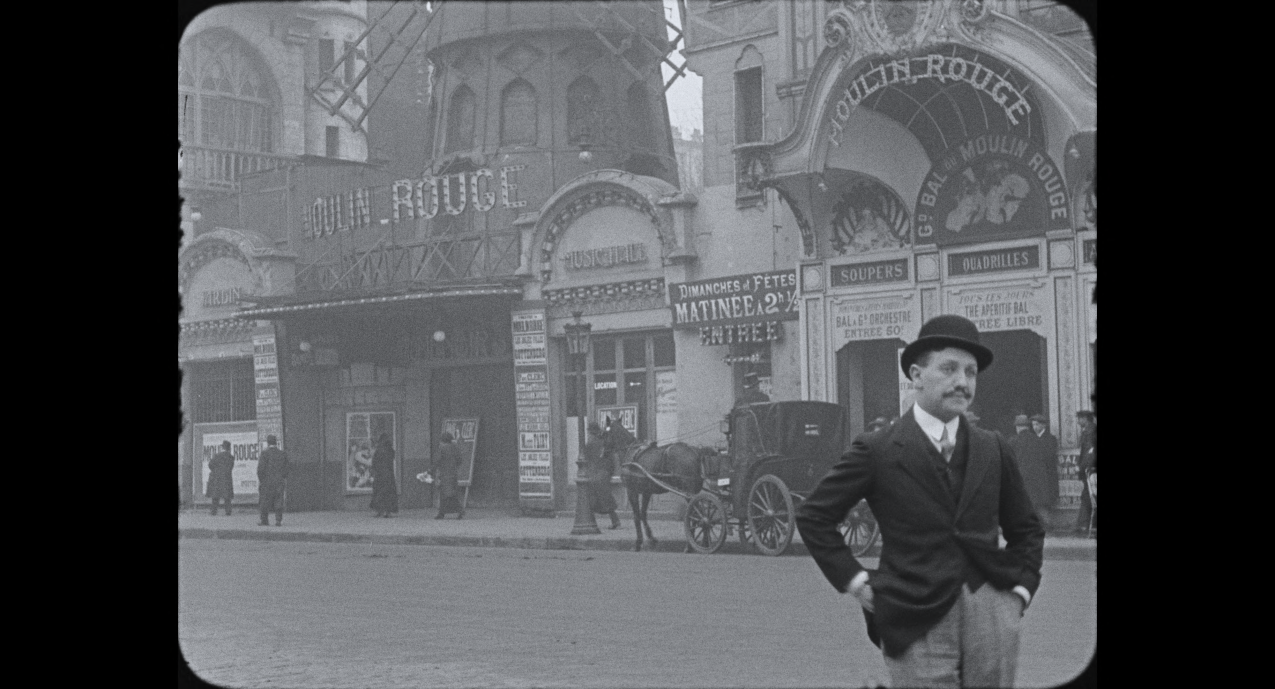
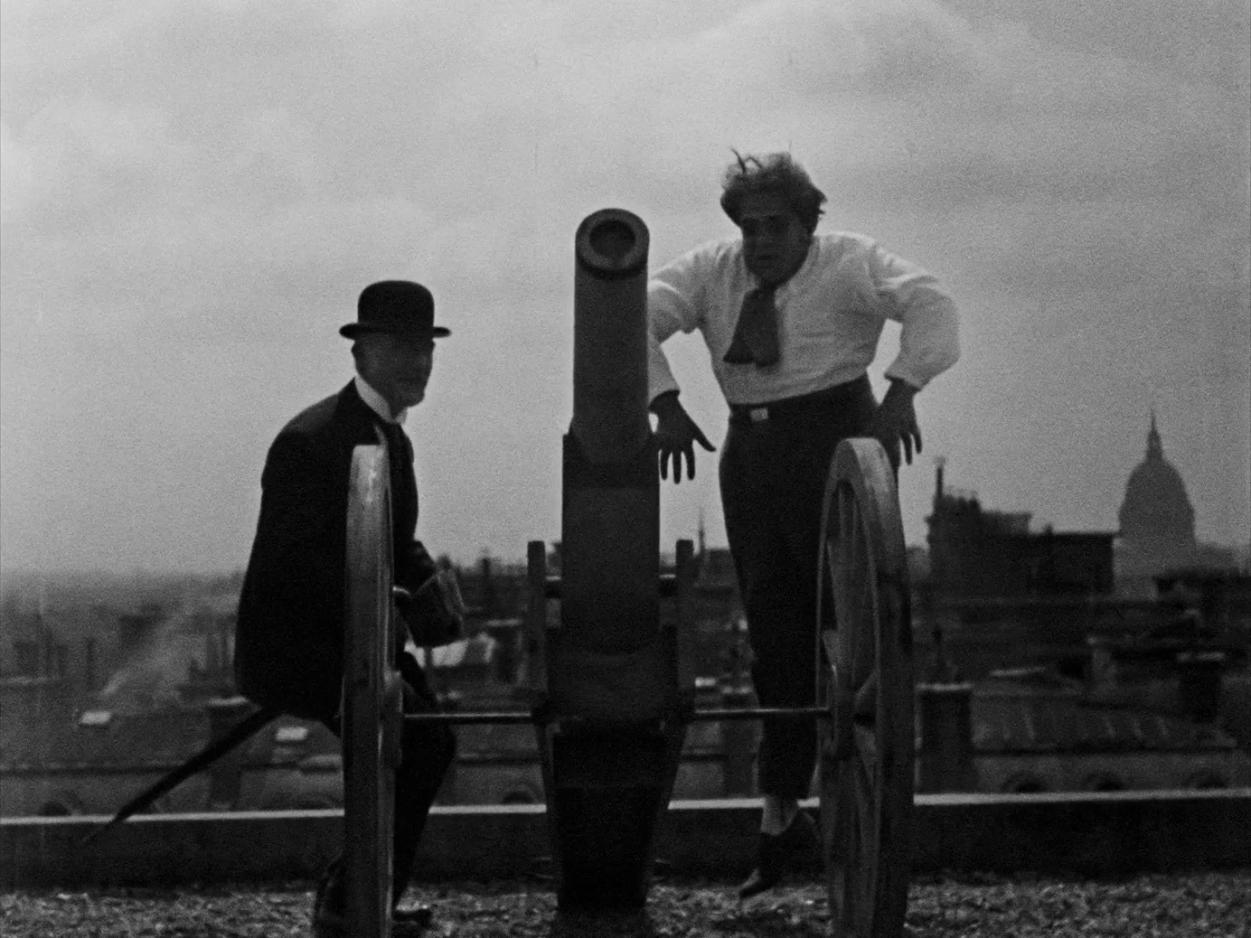
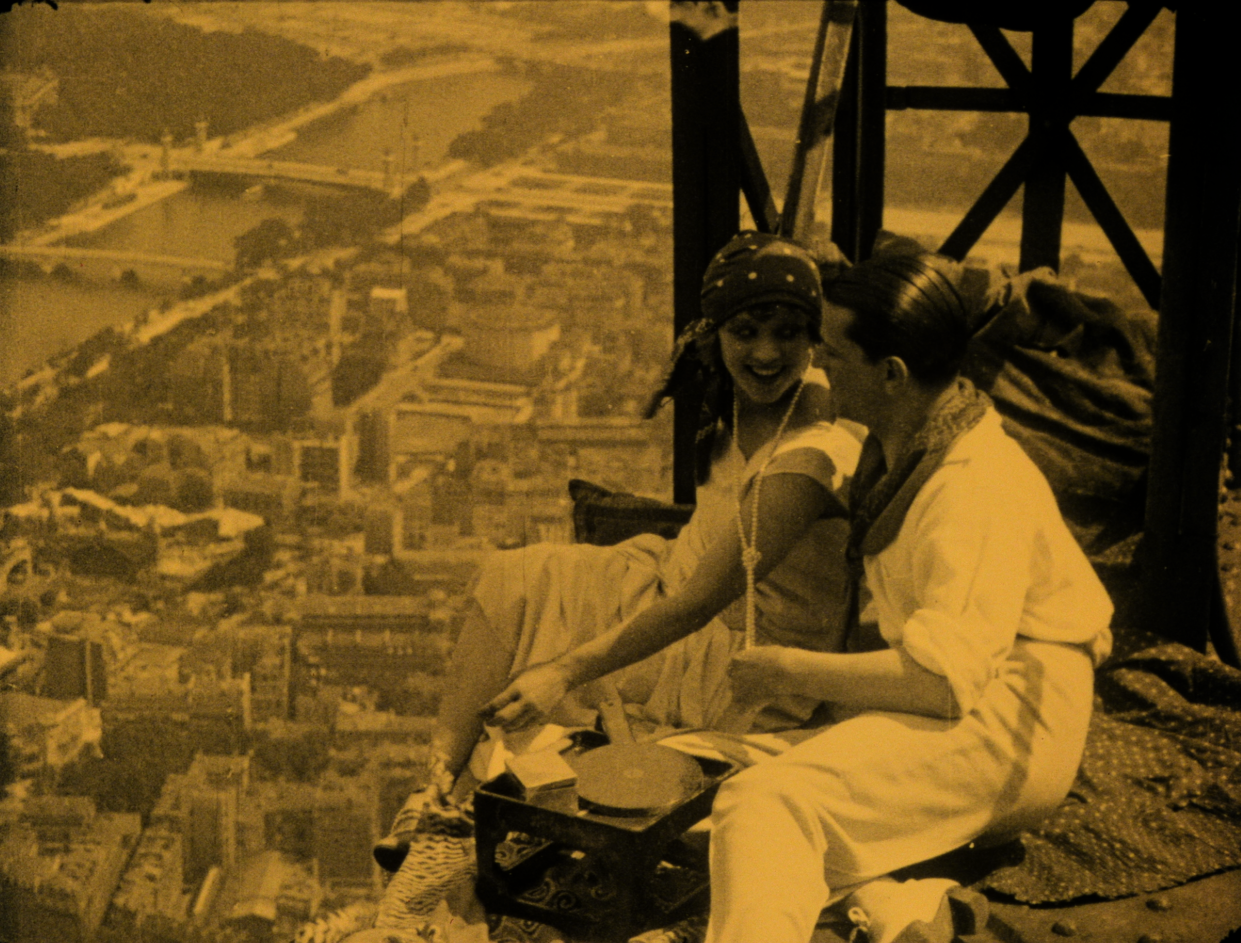
A true expression of the Dada and Surrealist avant-garde, René Clair’s early silent films left their mark on French cinema through their absurd humour and formal experimentation. Entracte (1924) features a playful, unconventional scenario by Francis Picabia and music by Erik Satie. Paris qui dort (1925), meanwhile, resembles a science-fiction film, built around the contrast between stillness and movement in a sleeping Paris.
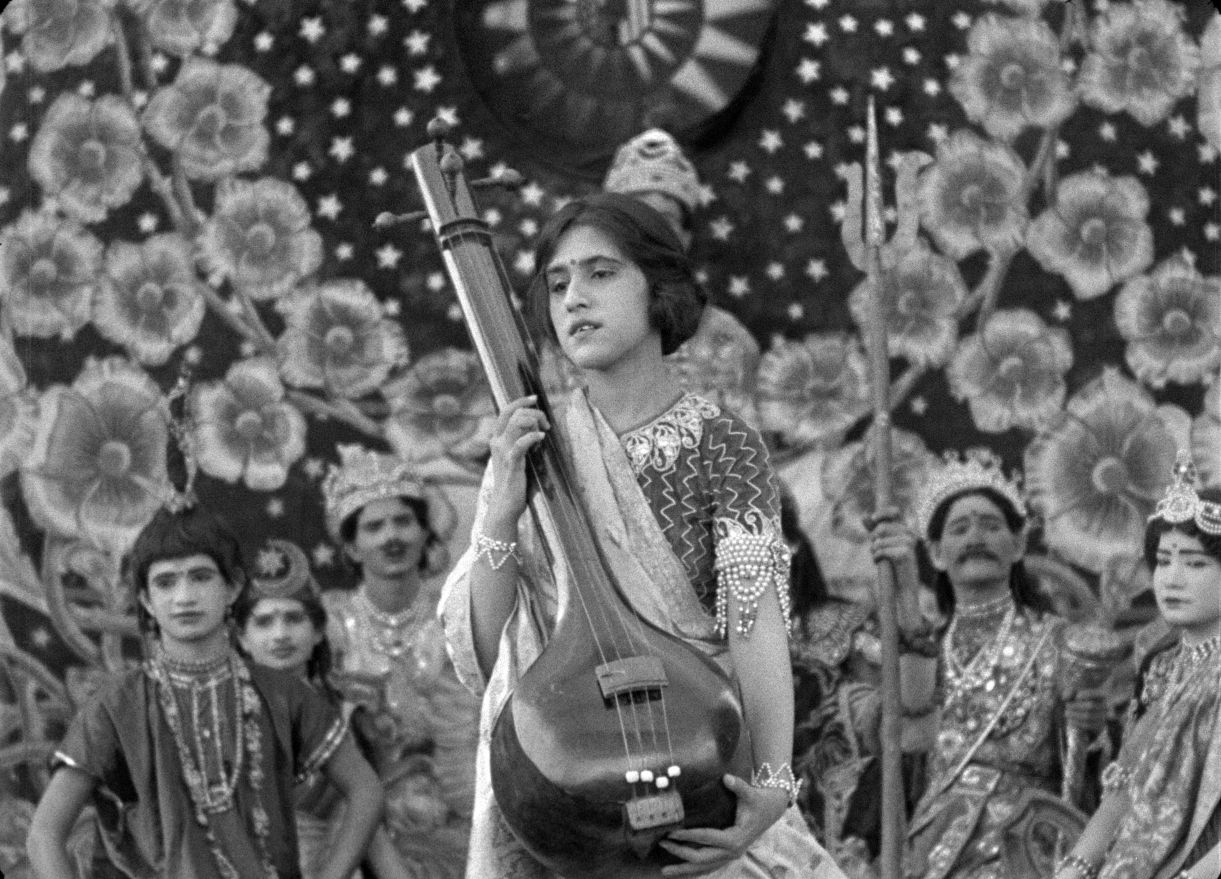
Finally, Behula (1921) illustrates Pathé’s international collaborations through the meeting of Camille Legrand, a French cinematographer who had worked for Pathé since 1905, and Jamshedji Framji Madan, an Indian producer and theatre owner. Filmed in India, this gem of poetry and invention combines studio staging with location shooting and draws on the visual traditions of Parsi theatre. Based on a well-known Bengali legend from the Manasa Mangal, it tells of a rivalry between goddesses and a long quest to recover a lost love.
Together, these films demonstrate the diversity and creativity of Pathé during the silent era. Restored by the Jérôme Seydoux-Pathé Foundation, they are presented with musical scores specially recorded for the restored versions, either for piano or orchestra.
Samantha Leroy
Head of Film Curation, Fondation Jérôme Seydoux-Pathé
Member of the FIAF Programming and Access to Collections Commission
Tickets are available for purchase on the CFA App and Taopiaopiao.


 京公网安备11010802013149号 网络视听许可证1110575号